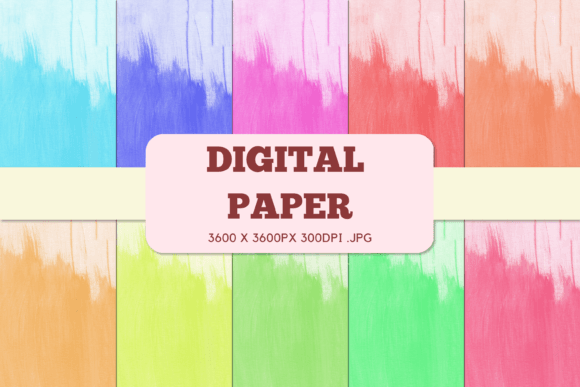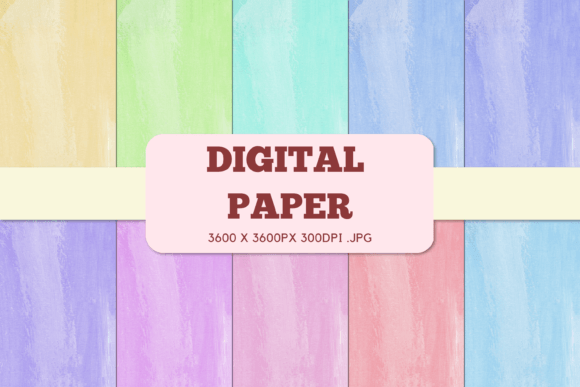
Soft 6 Digital Paper Watercolor
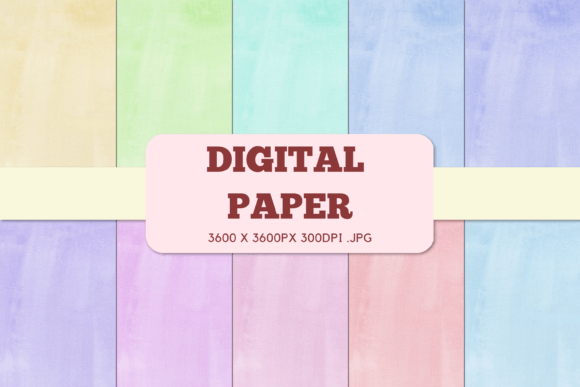
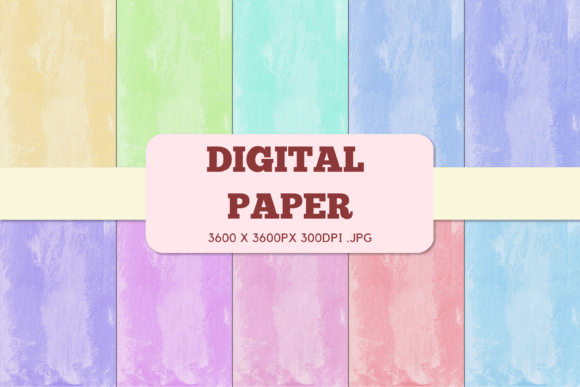
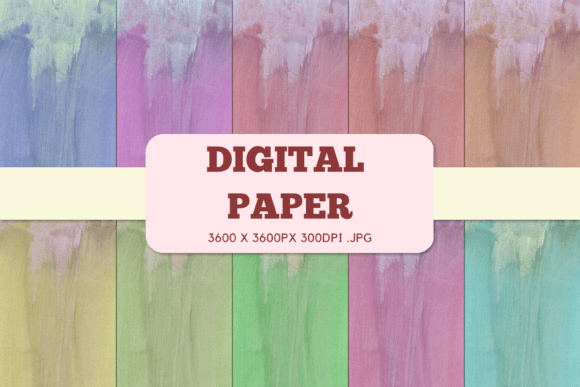
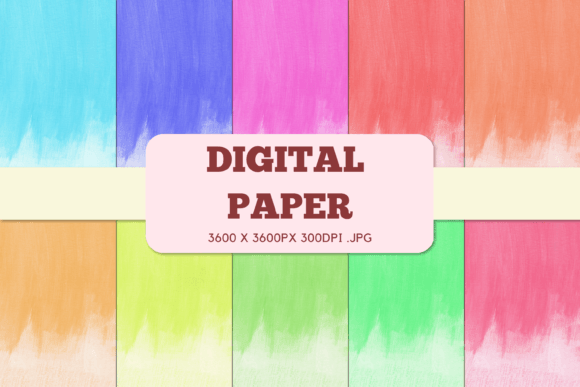
Creating a cohesive design often starts with the right background. Whether you are sketching a quick concept or finalizing a commercial product, the texture of your digital canvas sets the tone for everything that follows. Soft 6 Digital Paper Watercolor offers a versatile solution for those seeking authentic artistic depth without the mess of physical paint. This collection transforms simple screens into textured workspaces, bridging the gap between traditional artistry and modern digital workflows.
The bundle consists of ten high-resolution JPG files, each measuring 12×12 inches at 3600×3600 pixels. With a resolution of 600 DPI, these images provide the sharpness required for both screen display and high-quality printing. But beyond the technical specifications, the true value lies in how these textures adapt to different creative needs. The soft, organic feel of watercolor adds a human touch to digital projects, making them stand out in a sea of flat, vector-based graphics.
Why Texture Matters Across Different Projects
Digital designs can sometimes feel sterile or overly polished. Adding a watercolor paper texture introduces imperfections that make an image feel tangible and handcrafted. This is crucial for anyone looking to evoke emotion or nostalgia in their audience. When you apply these papers to a project, you are not just placing an image; you are setting a mood.
- T-shirts and Apparel: A plain graphic on a t-shirt might look generic. Layering a watercolor texture behind the design creates depth, making the print feel like it belongs on the fabric rather than just sitting on top of it.
- Stickers and Mugs: Sublimation printing requires high-contrast, detailed imagery. The 600 DPI resolution ensures that the grainy texture of the paper remains crisp even when printed on curved surfaces like mugs or small stickers.
- Home Decor: For pillows and blankets, the soft aesthetic of watercolor complements cozy interiors. These textures help blend digital prints with the natural fibers of textiles.
The flexibility of this format means you can use the same asset for a phone case one day and a book cover the next. The consistency of the 12×12 inch size allows for easy scaling without losing quality, whether you are designing a tiny icon or a large poster.
Perspectives from Beginners and Hobbyists
For those just starting their journey in digital design, the learning curve can be steep. Understanding layers, blending modes, and resolution requirements often feels overwhelming. Soft 6 Digital Paper Watercolor simplifies this process by providing ready-to-use assets that instantly elevate a project's quality.
A beginner might not have the skills to create a realistic watercolor wash from scratch. However, using these pre-made papers allows them to focus on composition and color theory instead of struggling with brush strokes. They can drag and drop the texture onto a new layer, set the blending mode to "Multiply" or "Overlay," and immediately achieve a professional look. This immediate gratification encourages creativity and helps build confidence.
Hobbyists who enjoy scrapbooking or making printable planners will find these papers particularly useful. The 12×12 inch dimension is the standard size for scrapbook layouts, meaning no resizing is necessary. You can simply print the page and start cutting and pasting. The high resolution ensures that the ink from your home printer captures every detail of the paper grain, resulting in a tactile experience that mimics real stationery.
Professional and Business Applications
Freelancers, entrepreneurs, and small business owners operate under tight deadlines. They need tools that offer reliability and speed. In this context, Soft 6 Digital Paper Watercolor serves as a time-saving resource that maintains high standards. A designer working on client branding does not always have time to create custom backgrounds from scratch. Having a library of high-quality textures allows them to deliver unique, bespoke-looking materials quickly.
For marketers and bloggers, visual content is king. Social media posts and blog headers compete for attention in crowded feeds. A flat white background might get lost, but a soft watercolor texture adds warmth and personality, increasing engagement rates. These textures can be used to create consistent branding elements across various platforms, from Instagram stories to LinkedIn articles.
Business cards and product packaging also benefit from this level of detail. When a customer receives a package, the first thing they notice is the unboxing experience. A digital mockup of a product box featuring a watercolor texture looks more premium than a standard solid color. Even if the final product uses sublimation printing, having a high-fidelity digital representation helps stakeholders visualize the end result before production begins.
Educational and Creative Uses
Educators and publishers often need to create engaging materials that capture student interest. Worksheets, presentations, and educational books can become monotonous with plain backgrounds. Integrating soft watercolor textures makes learning materials feel more inviting and less rigid. It signals to the learner that the content is approachable and creative.
Creators who focus on invitations for weddings or events rely heavily on atmosphere. A wedding invitation with a subtle watercolor paper texture conveys elegance and tradition. The 600 DPI resolution is critical here, as these documents are often printed professionally. Any blurriness or pixelation would detract from the formal nature of the event. With these files, designers can ensure that every letter and flourish is rendered perfectly.
Evaluating Quality and Long-Term Value
When selecting digital assets, cost and longevity are key factors. While some resources require expensive subscriptions or individual purchases, a bundle pack offers a one-time investment. The 10 JPG files included in this set provide enough variety to last through multiple seasons or campaigns without needing constant updates.
The file format itself is another consideration. JPGs are universally compatible with almost all design software, from Adobe Photoshop and Illustrator to free alternatives like Canva or GIMP. There is no need for complex layering structures or proprietary formats that might become obsolete. This ensures that your files remain usable for years to come, regardless of software updates.
Reliability is also paramount. High-resolution files reduce the risk of rework. If a design element looks pixelated upon export, it wastes hours of editing time. Starting with 3600×3600 px files eliminates this worry, allowing creators to push their designs further without worrying about hitting a quality ceiling.
Matching Tools to Your Goals
Not every project requires a watercolor texture, and knowing when to use it is part of the creative process. If your goal is a sleek, minimalist corporate identity, a heavy texture might distract from the message. However, if you are aiming for a lifestyle brand, a craft-focused product, or an artistic portfolio, this texture is likely the perfect fit.
Consider your workflow. Do you prefer working with vectors or raster images? These papers are raster-based, meaning they are made of pixels. This makes them ideal for adding organic noise and depth to vector logos or illustrations. They act as a bridge between the precision of digital tools and the fluidity of traditional art.
Ultimately, the decision to use Soft 6 Digital Paper Watercolor depends on your specific needs. Are you looking to save time? Yes. Do you want to improve the perceived value of your products? Absolutely. Whether you are a hobbyist making gifts for friends or a business owner scaling up production, these digital papers provide a foundation for creativity that is both practical and inspiring. By understanding the strengths of these assets, you can integrate them seamlessly into your workflow, enhancing your output without overcomplicating your process.