Exploring Glamorous Gold Foil Bokeh for High-Impact Digital Design
In the realm of digital design, few visual elements command attention quite like the interplay between light and texture. Glamorous Gold Foil Bokeh represents a specific niche within this spectrum, offering a sophisticated blend of depth, shimmer, and metallic allure. For designers, crafters, and small business owners seeking to elevate their projects, understanding what this asset entails is crucial before committing to a purchase or integrating it into a workflow.
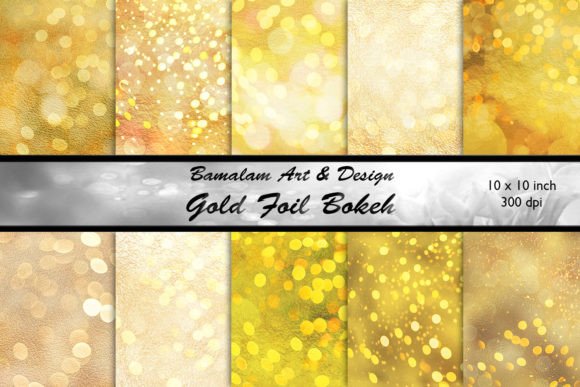
At its core, this collection features ten distinct backgrounds that merge the soft, out-of-focus points of light known as bokeh with the rich, reflective quality of gold foil. Unlike standard flat textures or simple gradients, these images are engineered to simulate the physical properties of real gold leaf catching ambient light. The result is a backdrop that feels luxurious and tactile, even when viewed on a two-dimensional screen. This distinction makes them particularly valuable for applications where perceived value needs to be enhanced, such as wedding invitations, premium packaging, or holiday greeting cards.
Evaluating Technical Specifications and Resolution
When comparing digital assets for professional use, technical specifications often dictate usability more than aesthetic preference alone. The Glamorous Gold Foil Bokeh set is defined by its high-resolution output: 3600 x 3600 pixels at 300 DPI (dots per inch). This specification translates to a physical print size of 12 x 12 inches without any loss of clarity or pixelation.
This resolution is a critical differentiator when compared to lower-quality stock images found on free platforms. Many free resources offer images capped at 72 DPI or smaller dimensions, which appear crisp on a monitor but become blurry and jagged when printed. For crafters using sublimation printing techniques—applying ink to mugs, tumblers, phone cases, and notebook covers—this high density is non-negotiable. Sublimation requires sharp lines and smooth color transitions to avoid visible artifacts; a low-resolution image would ruin the final product's finish. Consequently, the 300 DPI standard ensures that whether the background is used for a large-format poster or a tiny gift tag, the gold sparkle remains intact.
Comparing Styles: Foil Bokeh Versus Alternatives
Designers often face a choice between various textural styles. How does Glamorous Gold Foil Bokeh compare to other popular options like matte gold textures, solid colors, or generic glitter overlays?
- Matte Gold vs. Foil Texture: Matte gold textures provide a muted, elegant look suitable for corporate branding or minimalist designs. However, they lack the dynamic range of light reflection inherent in foil styles. The bokeh effect in the Glamorous Gold set introduces depth, creating a sense of movement that static matte textures cannot achieve.
- Solid Colors vs. Complex Backgrounds: Solid gold backgrounds are versatile but can feel flat and overwhelming if not paired with significant negative space. The bokeh pattern breaks up the visual weight, allowing text and focal elements to stand out more clearly while still providing a festive or luxurious atmosphere.
- Digital Glitter Overlays vs. Integrated Backgrounds: Some workflows involve placing a separate "glitter" layer over a plain image. While flexible, this method often results in a disjointed look where the texture sits on top rather than feeling like part of the surface. The integrated nature of these JPEG backgrounds ensures that the lighting and shadowing are consistent, creating a more cohesive and realistic appearance.
The decision to choose this specific style often comes down to the desired emotional response. If the goal is to convey energy, celebration, or opulence, the sparkling nature of the bokeh is superior to a calm, flat surface. Conversely, for a serious, understated business card, a solid or matte option might be more appropriate.
Ideal Use Cases and Practical Applications
The versatility of these 10 backgrounds allows them to serve a wide array of functions, making them a strong candidate for both personal hobbyists and commercial enterprises. Understanding the best-fit situations helps users maximize the return on their investment.
Event and Stationery Design
Wedding invitations and Christmas cards are perhaps the most common applications. The gold foil effect mimics the expensive letterpress or hot-stamping techniques used in traditional stationery, but at a fraction of the cost and time. For scrapbook papers, the 12x12 inch format aligns perfectly with standard scrapbooking grids, allowing users to cut, layer, and collage without worrying about alignment issues caused by mismatched dimensions.
Product Mockups and Sublimation
For entrepreneurs selling on platforms like Etsy or Shopify, high-quality mockups are essential. Using these backgrounds for sublimation prints on mugs and tumblers provides a premium context for the product photos. A coffee mug featuring a custom design against a plain white background looks functional; the same mug against a glamorous gold bokeh backdrop looks like a luxury gift item. This psychological shift can significantly influence purchasing decisions.
Business and Marketing Materials
While often associated with celebrations, these backgrounds are also effective for business cards and promotional flyers targeting a lifestyle or luxury market. The contrast provided by the bright bokeh spots can make black or dark-colored text pop, ensuring readability while maintaining an upscale aesthetic.
Weighing Tradeoffs and Limitations
No single design resource is universally perfect. When evaluating Glamorous Gold Foil Bokeh, it is important to acknowledge potential limitations and tradeoffs to ensure it fits the specific project requirements.
Color Dominance
The intensity of the gold and the brightness of the bokeh can sometimes overpower other design elements. In layouts with heavy text or complex imagery, these backgrounds may compete for attention rather than supporting the content. Users must be prepared to adjust opacity, apply overlays, or place content within clear areas of the image to maintain balance.
File Format Considerations
These assets are provided as JPEG files. While JPEGs are widely compatible and have manageable file sizes, they are raster-based. This means they cannot be scaled infinitely without losing quality, nor can individual elements be isolated easily compared to vector formats (like SVG or EPS). If a designer needs to resize the entire background to fit a billboard, a raster file will eventually degrade. However, for standard print sizes up to 12x12 inches and web usage, the JPEG format is sufficient and efficient.
Aesthetic Consistency
The "glamorous" style implies a specific mood. It may not be suitable for projects requiring a rustic, industrial, or ultra-modern minimalist vibe. If a brand identity relies on stark minimalism, the complexity of the bokeh might feel cluttered. In such cases, a simpler texture or a solid color palette would be a more strategic choice.
Making the Final Decision
Selecting the right digital background involves balancing aesthetic goals with technical constraints. Glamorous Gold Foil Bokeh excels in scenarios where the primary objective is to evoke warmth, festivity, and sophistication. Its high resolution makes it a robust tool for sublimation and print-on-demand businesses, while its artistic composition offers endless possibilities for creative crafters.
However, if the project demands absolute simplicity, infinite scalability, or a strictly monochromatic theme, alternative resources should be considered. The key is to match the visual language of the background with the message of the final piece. By carefully weighing the strengths of the bokeh effect against the specific needs of the project, designers can determine if this set is the ideal foundation for their next creation.
Ultimately, the value lies in the combination of quality and versatility. With ten unique variations, users are provided with enough variety to maintain consistency across a campaign while avoiding repetitive visuals. Whether for a handmade gift tag or a professional marketing deck, the ability to produce a high-end look from a digital file is a powerful advantage in today's visual marketplace.