Dry 6 Digital Paper Watercolor: A Practical Evaluation for Creative Projects
The digital design landscape has shifted dramatically in recent years, moving away from purely vector-based graphics toward assets that mimic the organic imperfections of traditional media. Among the many resources available to creators, Dry 6 Digital Paper Watercolor stands out as a versatile tool designed to bridge the gap between digital precision and hand-painted aesthetics. This specific bundle is not merely a collection of images; it represents a workflow solution for professionals and hobbyists who require high-fidelity textures without the mess or drying time associated with physical watercolors.
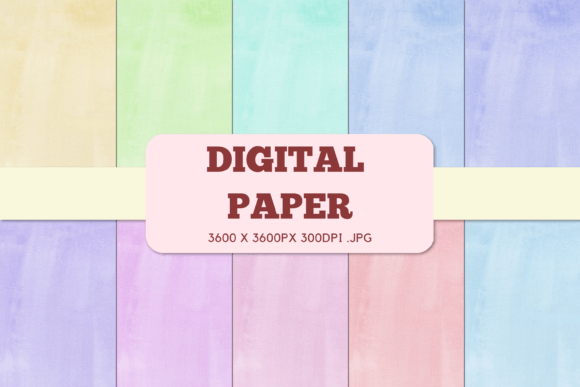
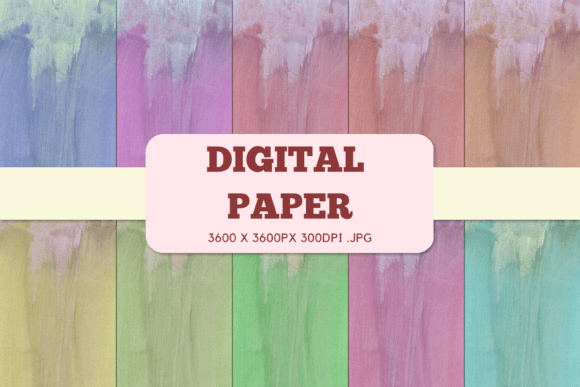
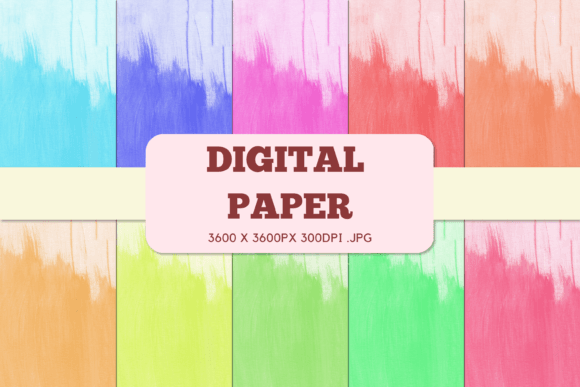
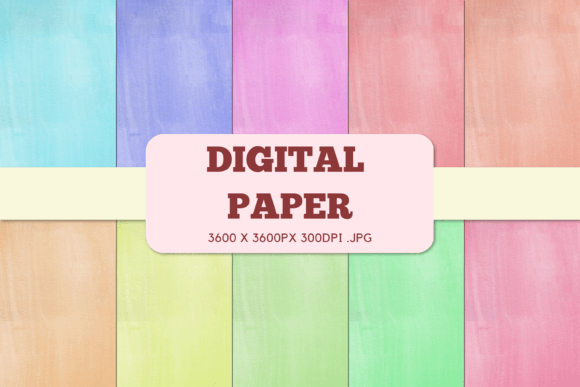
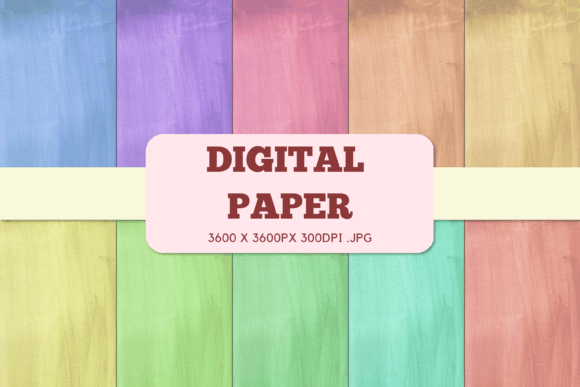
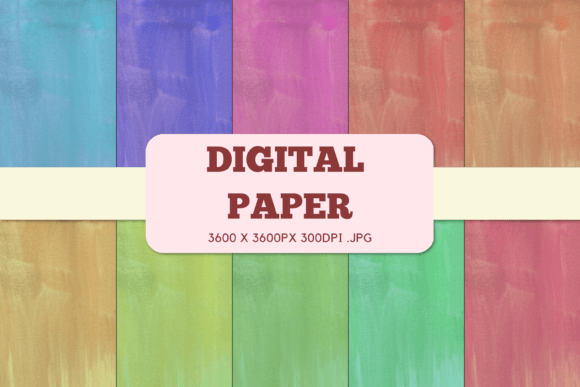
Understanding what this resource offers requires looking beyond the surface description. At its core, Dry 6 Digital Paper Watercolor provides a set of six distinct, high-resolution JPG files. Each file measures 12×12 inches at a resolution of 3600×3600 pixels, maintaining a crisp 600 DPI. This technical specification is critical for users who intend to scale their designs for large-format printing or detailed sublimation work. Unlike lower-resolution clip art that becomes pixelated when enlarged, these papers retain their texture integrity, making them suitable for everything from small business cards to large-scale blankets.
Evaluating the Unique Characteristics of Dry 6 Digital Paper Watercolor
What distinguishes Dry 6 Digital Paper Watercolor from standard digital backgrounds is the specific rendering of the "dry" medium. In traditional art, dry watercolor techniques often result in granular textures, soft edges, and subtle color bleeding that are difficult to replicate digitally. This bundle captures those nuances, offering a realistic paper grain and pigment distribution that adds depth to flat designs.
The distinction lies in the application. When used correctly, these files do not look like digital overlays but rather serve as foundational layers that ground a project in an artistic reality. For instance, a logo designed over one of these papers might gain a sense of heritage or artisanal quality that a solid color background cannot provide. The 600 DPI resolution ensures that even when printed on textured materials like canvas pillows or thick cardstock, the fine details of the watercolor effect remain sharp.
This level of detail is particularly valuable for creators working in the sublimation industry. Sublimation involves transferring dye onto substrates using heat, a process that can sometimes blur fine lines. Because Dry 6 Digital Paper Watercolor files are generated at such a high resolution, they withstand the thermal transfer process better than standard web-optimized images, ensuring the final product retains the intended artistic vision.
Comparative Analysis: Digital Papers vs. Traditional Alternatives
When evaluating resources for creative projects, designers often face a choice between purchasing physical supplies, creating textures from scratch, or utilizing pre-made digital assets like Dry 6 Digital Paper Watercolor. Each approach carries significant tradeoffs regarding cost, time, and consistency.
Traditional Methods: Creating actual watercolor textures requires physical materials, a workspace, and significant skill. While the result is unique, scaling production is nearly impossible. If you need ten identical t-shirt designs with the same background texture, painting them by hand introduces inevitable variations that may be undesirable for mass production. Furthermore, digitizing physical artwork requires scanning at high resolutions, which can introduce noise or compression artifacts if not done carefully.
Custom Creation: Designers skilled in Photoshop or Procreate can attempt to recreate these effects manually. However, achieving the specific "Dry 6" aesthetic—a balance of soft washes and granular dry-brush strokes—can take hours per asset. For a project requiring multiple variations, this method becomes a bottleneck in the production pipeline.
Digital Assets: Using a pre-packaged bundle like Dry 6 Digital Paper Watercolor offers immediate access to professional-grade textures. The primary advantage is efficiency. A designer can apply the texture to a book cover, a phone case, and a social media post within minutes. The consistency is guaranteed across all applications, which is essential for brand identity. Additionally, because the files are provided as high-quality JPGs, they are compatible with almost any design software, from Adobe Creative Cloud to Canva, removing the technical barriers often associated with PSD or AI files.
Strategic Applications Across Diverse Industries
The versatility of Dry 6 Digital Paper Watercolor makes it applicable to a wide array of industries, though its effectiveness depends on how well the texture aligns with the final product's purpose. The following sections explore specific use cases where this resource excels.
- Apparel and Merchandise: For t-shirts, mugs, and blankets, the 12×12 inch size is ideal for repeating patterns or full-bleed prints. The watercolor aesthetic appeals to consumers looking for "boho," "minimalist," or "artistic" styles, distinguishing products from generic graphic tees. The high DPI ensures that the ink does not appear blurry when applied to fabric or ceramic surfaces.
- Printable Stationery: Invitations and business cards benefit significantly from the tactile feel implied by watercolor textures. Even though the output is digital, the visual cue suggests a premium, handcrafted experience. When printed on heavy card stock, the subtle grain of the Dry 6 papers adds a layer of sophistication that plain white or colored backgrounds lack.
- Scrapbooking and Layouts: Digital scrapbookers often struggle to find backgrounds that match their photos without overwhelming the subject matter. These papers provide a neutral yet textured backdrop that allows photographs and other embellishments to stand out. The 600 DPI resolution ensures that when users print their layouts at home, the quality remains archival.
- Digital Media and Branding: Social media graphics and website headers can utilize these papers to create a cohesive visual identity. By applying the texture behind text or logos, brands can achieve a softer, more approachable tone compared to the starkness of digital gradients.
Decision Factors: When to Choose Dry 6 and When to Look Elsewhere
Selecting the right resource is about matching the tool to the specific constraints of the project. Dry 6 Digital Paper Watercolor is an excellent choice when the priority is speed, consistency, and a specific artistic style. It is particularly advantageous for small business owners who need to produce packaging, product labels, or marketing materials quickly without investing in custom illustration.
However, there are scenarios where this bundle may not be the optimal solution. If a project requires a fully editable vector format (such as SVG) where every stroke needs to be manipulated independently, these JPG files will not suffice. Similarly, if the design requires a specific color palette that differs significantly from the six included in the bundle, the user must have advanced skills in color grading to adjust the hues without degrading the image quality.
Another consideration is the licensing and usage rights. While the files are high quality, users must ensure that their specific commercial license covers their intended volume of sales, especially for high-volume items like bulk-printed stickers or merchandise. For projects requiring infinite scalability beyond the 12×12 inch frame, such as massive billboard graphics, the fixed resolution, while high, may eventually limit the maximum print size compared to vector-based alternatives.
Maximizing Value Through Proper Integration
To get the most out of Dry 6 Digital Paper Watercolor, integration is key. Simply placing the image behind text often results in a muddy appearance. Instead, experienced designers use blending modes, opacity adjustments, and masking techniques to integrate the texture seamlessly. For example, setting the blend mode to "Multiply" or "Overlay" can make the watercolor texture interact naturally with underlying colors, creating a unified look rather than a layered one.
The 3600×3600 pixel dimension also allows for cropping flexibility. Users can extract smaller sections of the texture to use as focal points in a collage or repeat them to create a seamless pattern for wrapping paper. This adaptability extends the utility of the six files far beyond their original count, effectively multiplying the value of the bundle for scrapbooking enthusiasts and product designers alike.
In conclusion, Dry 6 Digital Paper Watercolor serves as a robust foundation for a wide range of creative endeavors. It addresses the common pain points of digital design—the lack of organic texture and the difficulty of scaling high-quality imagery—by providing a ready-made solution that balances aesthetic appeal with technical performance. Whether for personal hobbies or commercial ventures, understanding the strengths and limitations of this resource allows creators to make informed decisions that enhance the quality and professionalism of their final outputs.